If I have to be really honest, most people really don’t care what browser they use, as long as it loads YouTube fast and doesn’t eat all their RAM. You see Chrome, Edge, Brave, Opera, Arc, Vivaldi, it looks like a thriving, competitive market, right?
Well, it’s an illusion of choice.
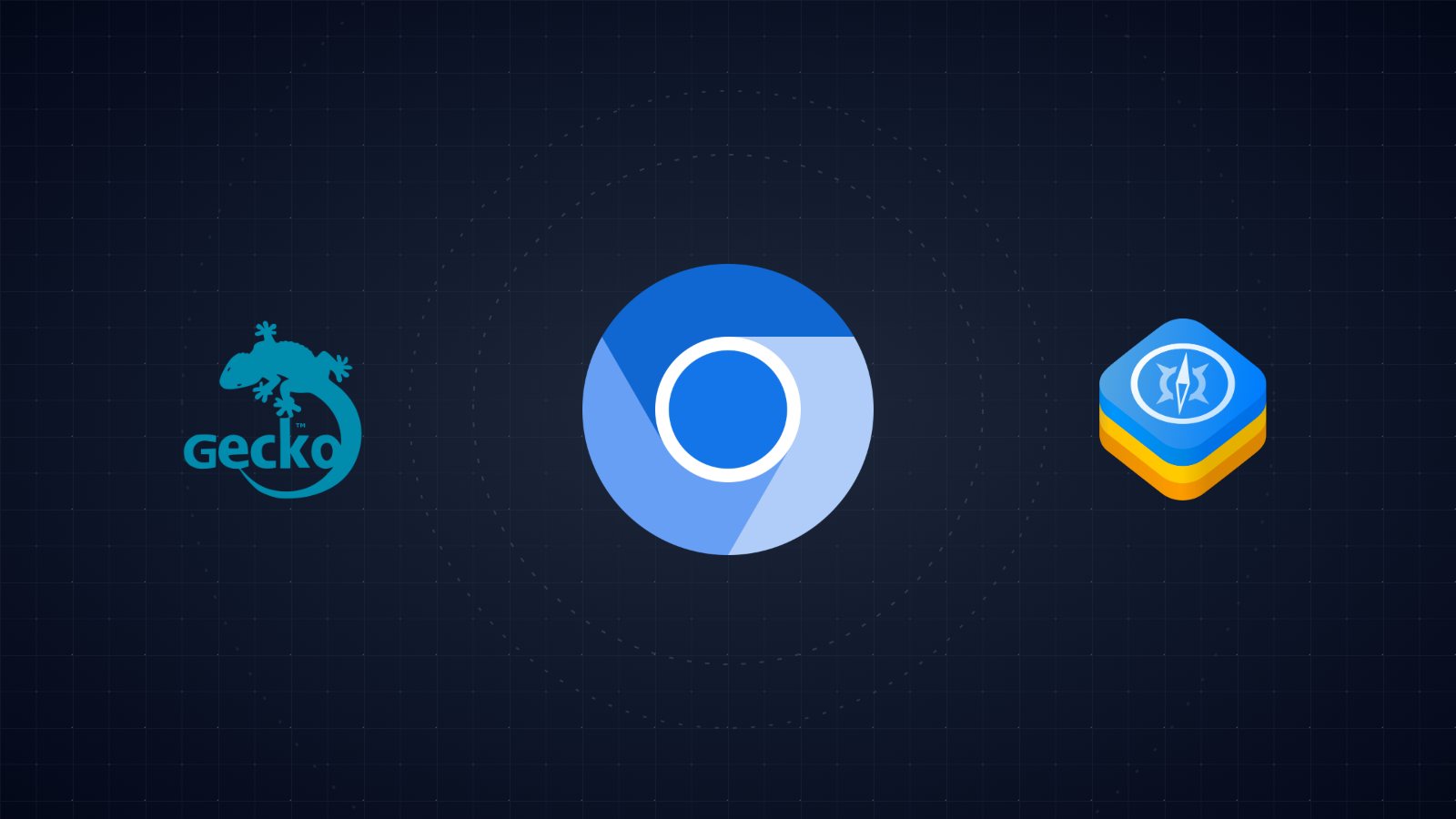
Under the hood, almost every major browser you use today is powered by the exact same browser engine Chromium’s Blink. Firefox uses Gecko. Safari uses WebKit. And that’s pretty much it. We are dangerously close to a web controlled by a single rendering engine. And if you think that’s just a nerdy technicality, you’re missing the bigger picture.
Let me explain that in this Geekswipe edition!
The problem with chromium monopoly
Think back to the early 2000s. Internet Explorer 6 had over 90% market share. What happened? Microsoft got lazy. The web stagnated. Developers had to write bizarre, hacky code just to make websites work on IE6, because Microsoft decided they dictated how the web worked, not open standards.
We are dangerously edging close with that exact same scenario today, just with Google at the helm instead of Microsoft.
When one engine dominates, the company controlling that engine controls the internet. If Google decides Chromium needs a new “feature” that happens to make ad-blocking harder (hello, Manifest V3), it becomes the de facto standard overnight. Edge, Brave, and Opera have to either fall in line, spend massive resources patching Chromium themselves, or break compatibility.
Developers are already getting lazy again. You’ll even hear things like, “Well, it works in Chrome, let’s ship it.” Not a joke! This forces users off alternative browsers because websites start breaking for them. It’s a vicious, self-fulfilling cycle you see.
Why Firefox is the last lifeline
This is why Firefox matters. It’s not about nostalgia. It’s about having an independent entity (Mozilla) fighting for web standards that aren’t dictated by an advertising company’s bottom line.
Gecko (Firefox’s engine) is the only major counterbalance to Blink on desktop platforms (Safari/WebKit is largely locked into Apple’s ecosystem). When Mozilla implements a privacy feature, like Total Cookie Protection, they force the rest of the industry to react. Without them, Google has zero incentive to prioritise your privacy over their ad revenue.
Browser diversity isn’t about aesthetics or minor UI features. It’s about who gets to write the rules of the internet. A monoculture is fragile. If a massive security flaw hits Blink, it hits everything.
You don’t have to switch to Firefox today. But you should want it to survive. Because the moment Google is the only game in town, the open web dies, and we all just become renters on Google’s private network.